Once a month, on a schedule
Every listing on every directory we publish is re-checked once a month. That is the whole answer, and the rest of this page is what the re-check does and why the cadence is what it is.
The directories covered are the ones listed under the directories, and the cycle is the same for all of them regardless of category or coverage area.
What happens at the re-check
Three things.
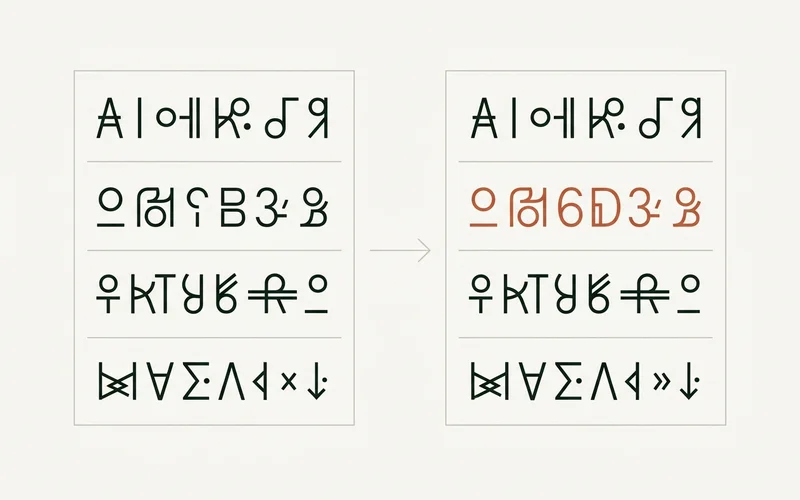
Scores refresh. The score is recalculated against the current body of public customer reviews. New reviews are read in. Existing reviews age, and ageing reduces their weight, because a review from 2023 describes a business as it was in 2023. The order is then republished.
Closed businesses come off. A business that has ceased trading is removed automatically. Nobody has to report it, although reports are welcome and are acted on faster than the next scheduled cycle.
Reference data is checked. Where a directory records more than a ranking, such as the rates and booking links on the badminton court index, those are checked on the same cycle. Reference data goes stale in a way that costs the reader directly: a rate that was right eighteen months ago sends someone to a venue expecting one figure and paying another.
What the re-check does not do is start from scratch. The listing set carries forward, and the cycle updates it rather than rebuilding it, which is why a business does not have to be re-found every month to stay listed.
Why monthly rather than daily or annually
Two failure modes sit either side of this, and the monthly cycle is chosen to avoid both.
Update too rarely and the directory becomes a museum. This is the ordinary fate of local directories: a set of listings assembled once, ranked once, and left. Two years on, a third of the phone numbers are dead, several businesses have changed hands entirely, and the top three are there because of reviews written under previous owners. The page still looks maintained. That is what makes it worse than nothing.
Update constantly and the ranking becomes noise. A directory that recalculated hourly would reorder itself on the strength of two new reviews, and a reader returning after a week would find a list they could not recognise. Rankings that jump for no visible reason teach readers to ignore them.
A month is long enough that a change in position means something and short enough that a business improving now is reflected within a season. The same cycle runs across every one of our independent Malaysian service directories, so no category is left on a slower schedule than another.
A stale list is not a neutral failure
A directory that has stopped checking still looks authoritative. Someone rings a dead number in an emergency, or turns up at a place that closed last year, on the strength of a page that gave no sign of being out of date.
What the re-check does not do
Three things it deliberately leaves alone, so nobody expects them.
It does not verify licences, accreditations or insurance. We do not check those at any point, and a re-check does not quietly become an inspection.
It does not visit anywhere. The cycle is a data process run against public sources and public reviews, not a round of site visits.
It does not make editorial adjustments. Nobody looks at a business that has slipped and decides to hold its position, and nobody looks at a business they liked and nudges it up. The recalculation runs on the published method and the order is whatever the method produces.
Keeping the re-check narrow is what makes it repeatable. A process that also involved judgement calls would be impossible to run consistently every month, and the consistency is the point.
What this means if you are choosing a business
Two practical points.
A position is current as of the last re-check, not as of the year the directory launched. If you looked at a category in March and are looking again in June, expect movement, and the movement is information rather than instability.
Recency also runs inside the score itself, not only between re-checks. A business with a strong average built entirely on reviews from four years ago will sit lower than one with a similar average built on the last twelve months. That is intentional, and how a ranked directory works sets out the other three inputs that sit alongside it.
What this means if you run a listed business
Also two points.
A bad month is not permanent. Scores follow public reviews, and reviews keep arriving. A business that fixes the thing customers were complaining about climbs as the new reviews come in and the old ones age out. There is no penalty box and no manual demotion.
If a detail is wrong, you do not have to wait for the re-check to find it. Email hello@meridianguides.my with the business name, the directory it appears on, and what is wrong. The target for a standard request is five business days, which is faster than the monthly cycle. The same route handles removals, and a removed business is not penalised anywhere else. The full process is on corrections and removals.